



Turn Interns Into Employees

Internships are often the first step into the behavioral health field. For many emerging professionals, these early experiences shape their preparedness and determine whether they commit to a long-term career in behavioral health.
Agencies that invest in their interns through strong onboarding, supervision, and hands-on learning not only build a stronger pipeline, but also increase the chance of supporting interns into becoming dedicated, long-term employees.
How To Support (and Retain) Interns
To make internships meaningful and effective, your agency can:
- Provide structured onboarding that goes beyond logistics and incorporates your mission and values
- Assign supervisors trained in working with students or early-career professionals
- Build real-world confidence and skill with site-specific training and hands-on experience
- Set clear expectations and provide regular feedback
- Introduce available licensure pathways, tuition support, loan forgiveness opportunities, and career development options during the internship
- Create formal or informal opportunities for interns to see a future with your agency
These strategies prepare students to be truly ready for the workforce, and they lay the groundwork for retention with your agency and the behavioral health field.
Spotlight: Sinnissippi Centers
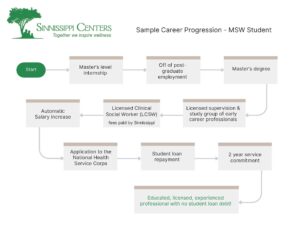
Sinnissippi Centers offers a strong example of how to turn internship experiences into long-term career pathways.
Their approach includes:
- A Center of Excellence that supports interns and staff pursuing advanced degrees through both clinical and administrative training
- Post-graduation clinical supervision as part of their commitment to long-term development
- Free housing for interns who relocate, removing one of the most common barriers of completing an internship in a more rural area
They also provide a clearly communicated path from internship to employment, including:
- Training
- Licensure support
- Continuing education
- Strong, ongoing supervision

Related Articles
